In Search of Wabi-Sabi: Traditional Ryokans and Hidden Tea Terraces
Words by S. Kenji • Photography by 111111 Field Desk • Published September 28, 2025
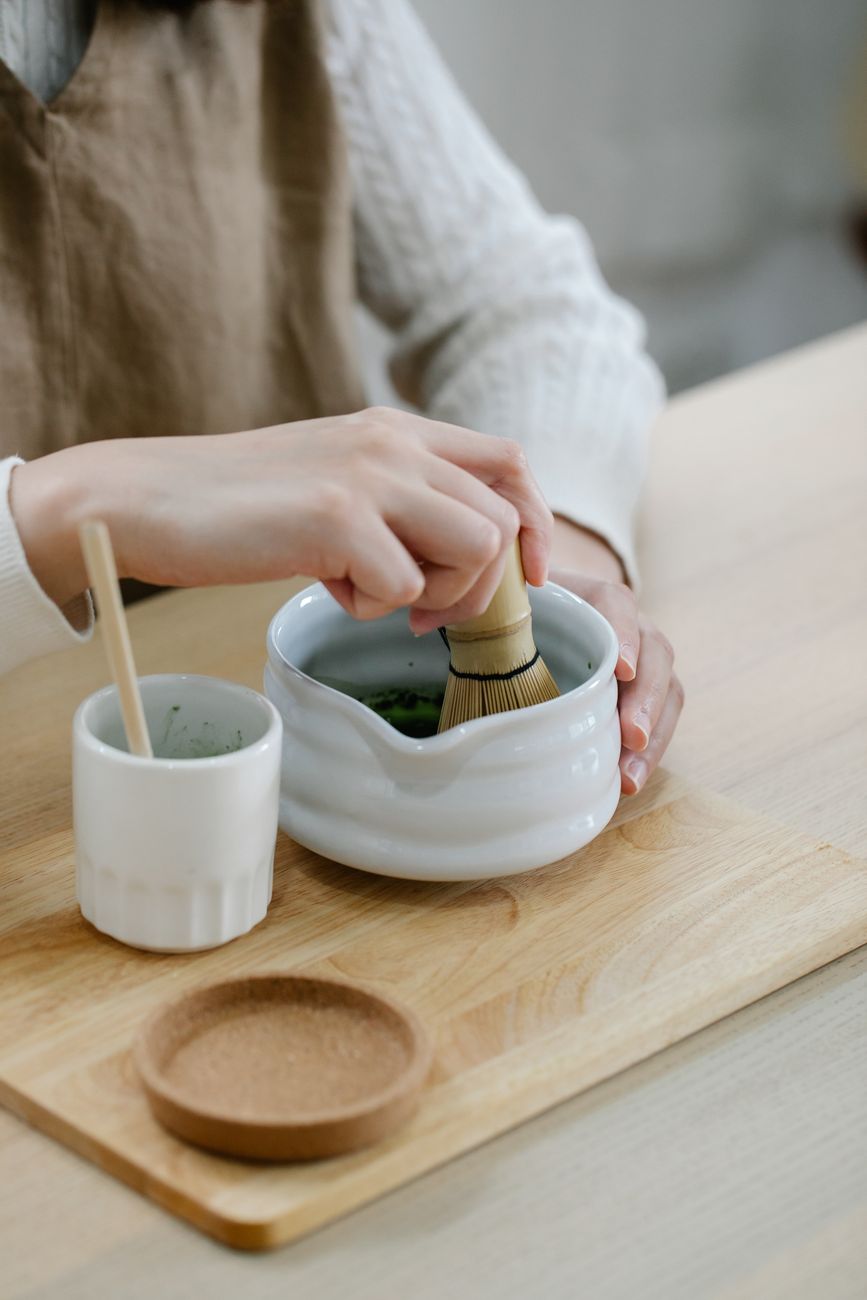
Table of Contents
At dawn in the Oi River valley, steam rises from the dark soil as fog rolls down through thousands of stepped green bushes. The smell of fresh pine and damp earth fills the mountain air. Here, deep in the countryside of Shizuoka, families have harvested green tea leaves for twelve generations without altering their core philosophy.
1. The Mountain Terraces of Shizuoka and Uji
Modern travel often reduces Japan to Tokyo's neon intersections and Kyoto's crowded bamboo groves. Yet the spiritual soul of the country resides in these mist-veiled hills. Tea masters here cultivate sencha and gyokuro with an attention to weather patterns, soil drainage, and shade shading that resembles the finest French viticulture.
Visiting these family farms requires patience. There are no gift shops or turnstiles; instead, conversations occur over hand-whisked bowls of spring harvest tea, accompanied by seasonal sweets shaped like mountain persimmons.
2. The Ryokan Ritual: Tatami, Cypress Baths, and Kaiseki
To experience traditional Japanese hospitality is to stay at a century-old ryokan. As you step across the threshold and exchange your outdoor shoes for soft slippers, the velocity of the outside world drops away.
Rooms are appointed with aromatic woven tatami mats, sliding paper shoji screens, and a single seasonal flower arranged in an irregular stoneware vase. Before dinner, guests immerse themselves in communal or private onsen baths crafted from fragrant hinoki cypress wood, letting geothermal mineral waters melt away physical tension.
Dinner is a multi-course kaiseki banquet, designed to reflect the micro-season: simmered mountain roots, freshly caught river sweetfish grilled over charcoal with salt, and delicate clear broths infused with yuzu.
3. Understanding Imperfection: The Spirit of Wabi-Sabi
The philosophical foundation of this lifestyle is wabi-sabi: finding deep peace in that which is incomplete, impermanent, and modest. You see it in ceramic bowls mended with golden lacquer (kintsugi), in the weather-beaten cedar siding of rural homes, and in the deliberate asymmetry of classical Zen rock gardens.
4. Etiquette for Mindful Guests
- Footwear: Never walk on tatami mats with slippers; socks or bare feet only.
- Bathing: Always wash thoroughly at the seated washing stations before entering the onsen pool.
- Punctuality: Kaiseki meals are timed precisely to the minute for peak culinary texture; always be present at your agreed dining time.
Curated Japanese Ryokan Blueprints
Let our Tokyo and Kyoto correspondents secure private bookings in historic ryokans rarely available through western booking engines.
Inquire About Travel Design